
Subscribe and receive email notifications of new blog posts.
 RSS Feed
7
Summer Landscaping: Plants that Thrive in Northern New England
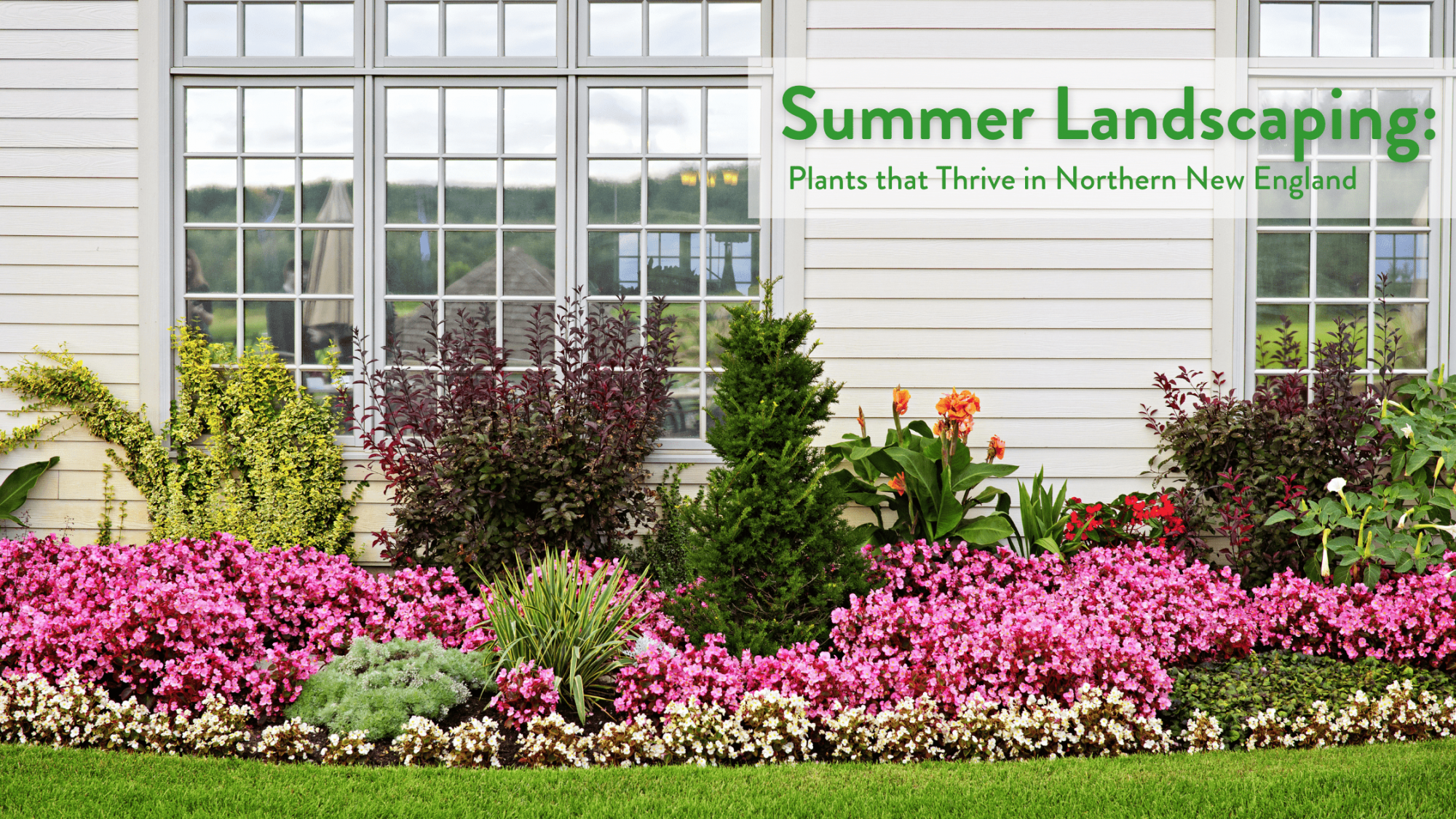
When people ask our real estate agents for home improvement tips, gardening and landscaping are usually at the top of their list.
Colorful flowers and lush greenery can always put a smile on your face. In addition to the visual delights, there are other great reasons to take up gardening.
- As eco-awareness continues to grow, we've learned that bees are more than just pesky insects who spoil picnics. Bees are an important part of the global food chain, and their numbers have been dropping. Plant a pollinator garden as part of a green lifestyle.
- Who needs a gym to stay fit? Gardening burns 300 to 400 calories an hour while also giving you a satisfying creative outlet.
- Curb appeal is a significant element in home values. Studies show that gardening and landscaping can carry as much as 77 percent return on investment in terms of boosting the value of your Northern New England home.
Give nature a helping hand with these great suggestions for planting a delightful garden at your Northern New England home.
Conditions to Consider in Northern New England
Different varieties thrive in different conditions, so that will affect your choices of what to plant as well as the ongoing maintenance required.
Northern New England's climate tends toward cold, snowy winters and short, humid summers, so look for plants that are hardy enough to withstand extremes in weather. Don't forget to make allowances for the specific conditions of your yard. If the area you'll be planting in is cool and shady or hot and sunny, plan accordingly.
The sheer number of plants and flowers may seem overwhelming, but there are a number of helpful guidelines to narrow the choices down. The Xerces Society is an organization dedicated to the conservation of butterflies and other invertebrates that contribute to a healthy ecology. Their experts recommend using at least nine types of wildflowers that bloom in different seasons for maximum effect.
- As the name implies, perennials return year after year with little maintenance required, making them perfect for Northern New England. Perennial varieties with high pollinator appeal include Black-Eyed Susan, Wild Bergamot, Goldenrod, Phlox, Black Cohosh, Violets, Trillium, Coneflower, Aster, Sunflower, Wild Indigo, and Virginia Bluebells.
- Annuals aren't as long-lasting as perennials, but they can add some welcome variety to a pollinator garden. While many of them are not native to Northern New England, they're easy to grow from seed and bloom quickly. Options include Marigold, Tall Verbena, Bachelor Buttons, Zinnia, Verbena, Sweet Alyssum, and Foxglove.
- Common milkweed is so called because it's found just about everywhere across the Eastern United States. This fragrant plant is also known as "nature's mega-food for insects," attracting butterflies, bees, and other pollinators. Milkweed has a tendency to spread rapidly, so it's best planted where it has space to grow.
- Who knew that bees are gourmets? Pollinators are drawn to herbs such as basil, chives, oregano, sage, rosemary, thyme, lavender, and marjoram. As a bonus, providing these plants for pollinators will also elevate your own dining.
- The Xerces Society suggests using at least one native grass for nesting sites. Grass such as Little Bluestem is vital to the lifecycle of pollinators, providing them with shelter, material for nests, and protection from predators.
- Thanks to their range of different heights, shrubs and small trees add visual interest and texture to a garden. Species that work well in a pollinator garden include Dogwood, Buttonbush, Hydrangea, Highbush Blueberry, Chokeberry, Serviceberry, Swamp Rose, Meadowsweet, and Hawthorn. Of course, fruit trees such as apple, peach, cherry, and plum are natural choices.
Plan Your New England Garden
Get ready for the growing season by following these steps for your garden.
- Figure out what type of garden you want to plant. Will you use an existing flowerbed, convert a grassy area, or go with a container garden?
- Plants draw nutrients from the soil, so it's essential to know what type of soil you're working with. Purchase a soil test kit from a nursery or home improvement store and follow the recommendations. Avoid chemical supplements and stick with compost, mulch, and other organic compounds to enhance the soil.
- Plan the placement of each element. Determine the dimensions of your chosen area, then take a piece of paper and sketch out a diagram to scale, using letters or numbers to depict each plant. The rule of thumb is one plant per square foot. Be sure to leave a border to accommodate spread and mulch.
- Pollinator seed mixes have become popular because of their convenience, but they may include varieties that don't work in your area. Do your research and purchase the appropriate plants individually.
- Water the garden generously during the first year. Use a rain gauge to ensure the plants are getting the proper amount of moisture per week.
- Don't cut down plants in the fall. Leave the seed heads as food for birds.
Looking for more tips for improving your garden and curb appeal this summer? Contact us at The Masiello Group for friendly and experienced help buying or selling your home.

Privacy Policy / DMCA Notice / ADA Accessibility


